Fire Valves
Fire Valves
Fire valves regulate water flow in fire protection systems, ensuring controlled and effective suppression. They are essential components of sprinkler, hydrant, and pump systems, maintaining system integrity during emergencies.
TYPES OF VALVES:
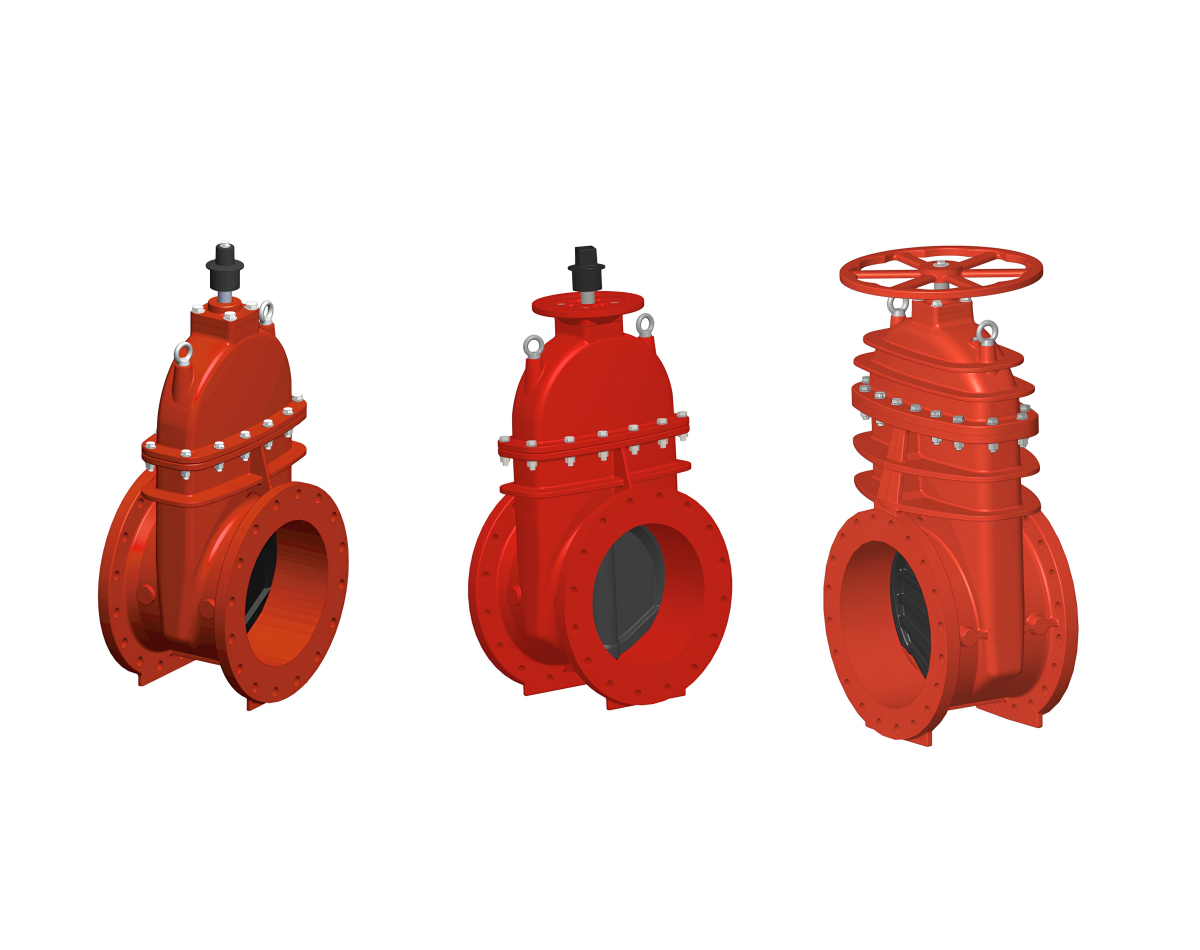
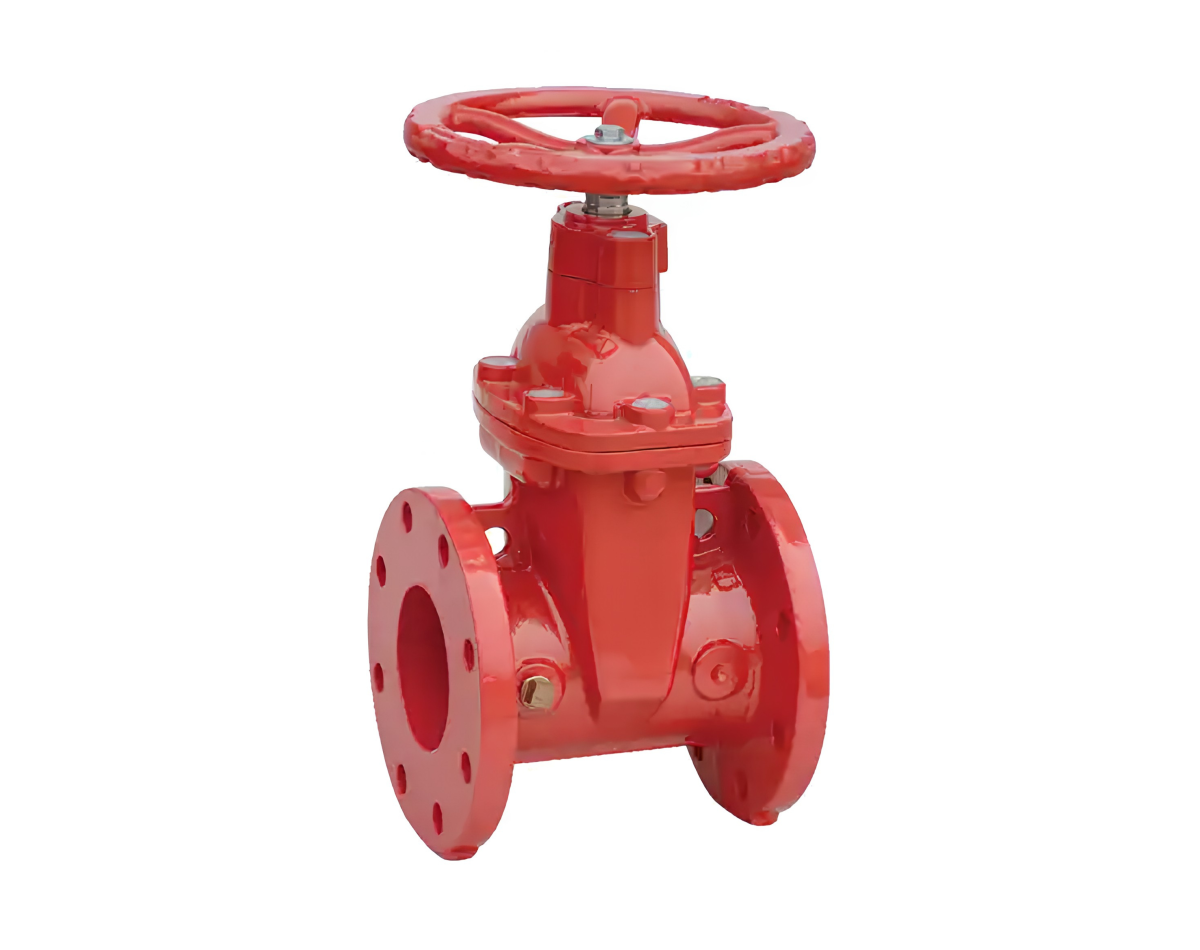
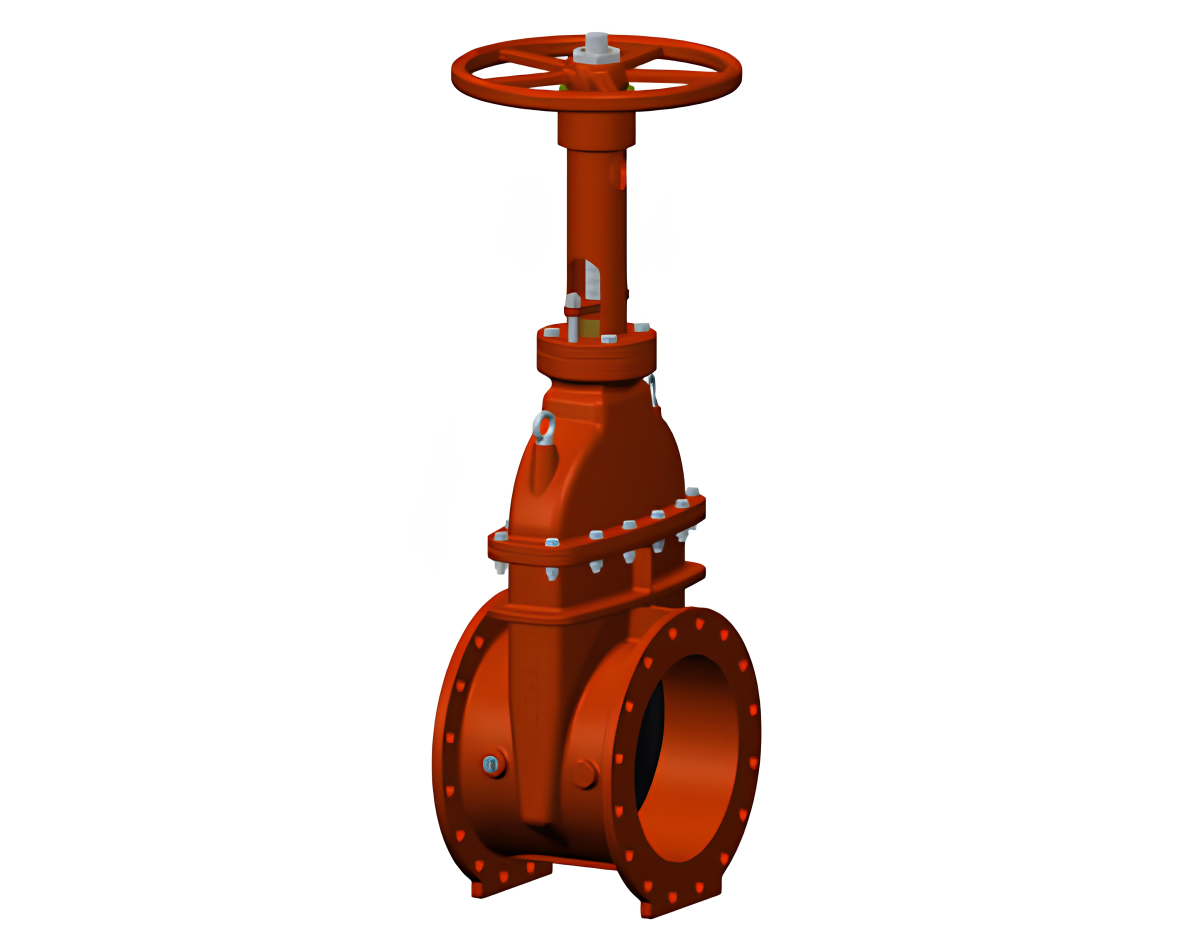
Gate Valves: Commonly used to isolate sections of fire protection systems, gate valves provide a full-flow of water when open and prevent water flow when closed.
Butterfly Valves: Compact and lightweight, butterfly valves are used in fire protection systems for their quick operation and reliable shut-off capability. They are often used in sprinkler systems as a control valve.
Check Valves: These valves allow water to flow in only one direction, preventing backflow and ensuring that water or firefighting agents flow towards the intended destination.
Pressure Reducing Valves (PRVs): Designed to reduce incoming water pressure to a manageable level within fire protection systems, PRVs ensure that the system operates safely without over-pressurization.
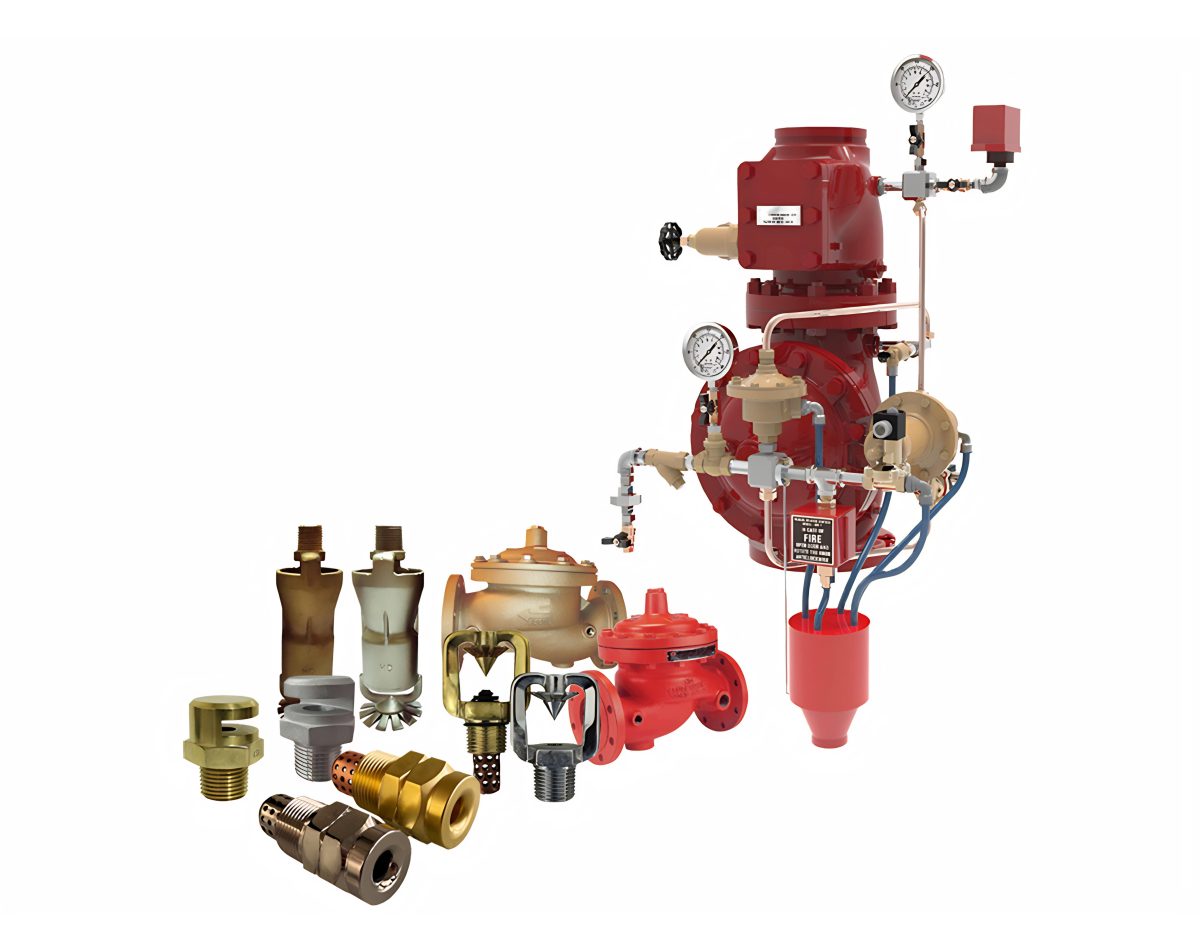
Alarm Check Valves: These are used in wet-pipe fire sprinkler systems and are equipped with a mechanism that sounds an alarm when water flows through the system, indicating the activation of the sprinklers.
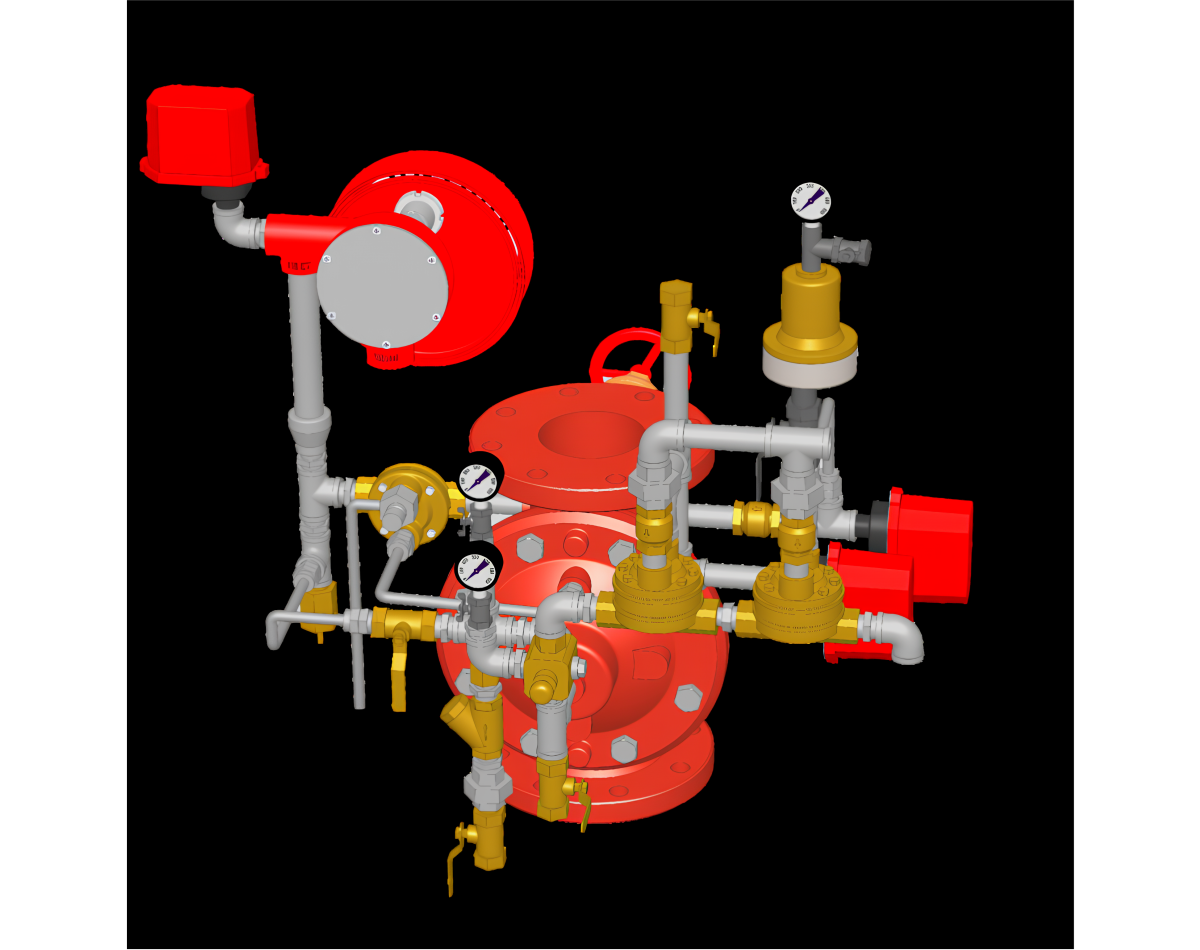
Deluge Valves: Installed in deluge fire suppression systems, these valves release a large volume of water or foam when activated, making them suitable for high-hazard areas.
Pressure Relief Valves: Used to automatically release excess pressure in fire protection systems, preventing damage to piping and equipment.
Ball Valves: These valves provide tight shut-off and control in both water and gas systems. Their design allows for quick opening and closing, making them ideal for emergency use.
Angle Valves: Used in standpipe systems and fire hose stations, angle valves control the water flow to hoses and are critical for effective manual firefighting.