Hand Protection

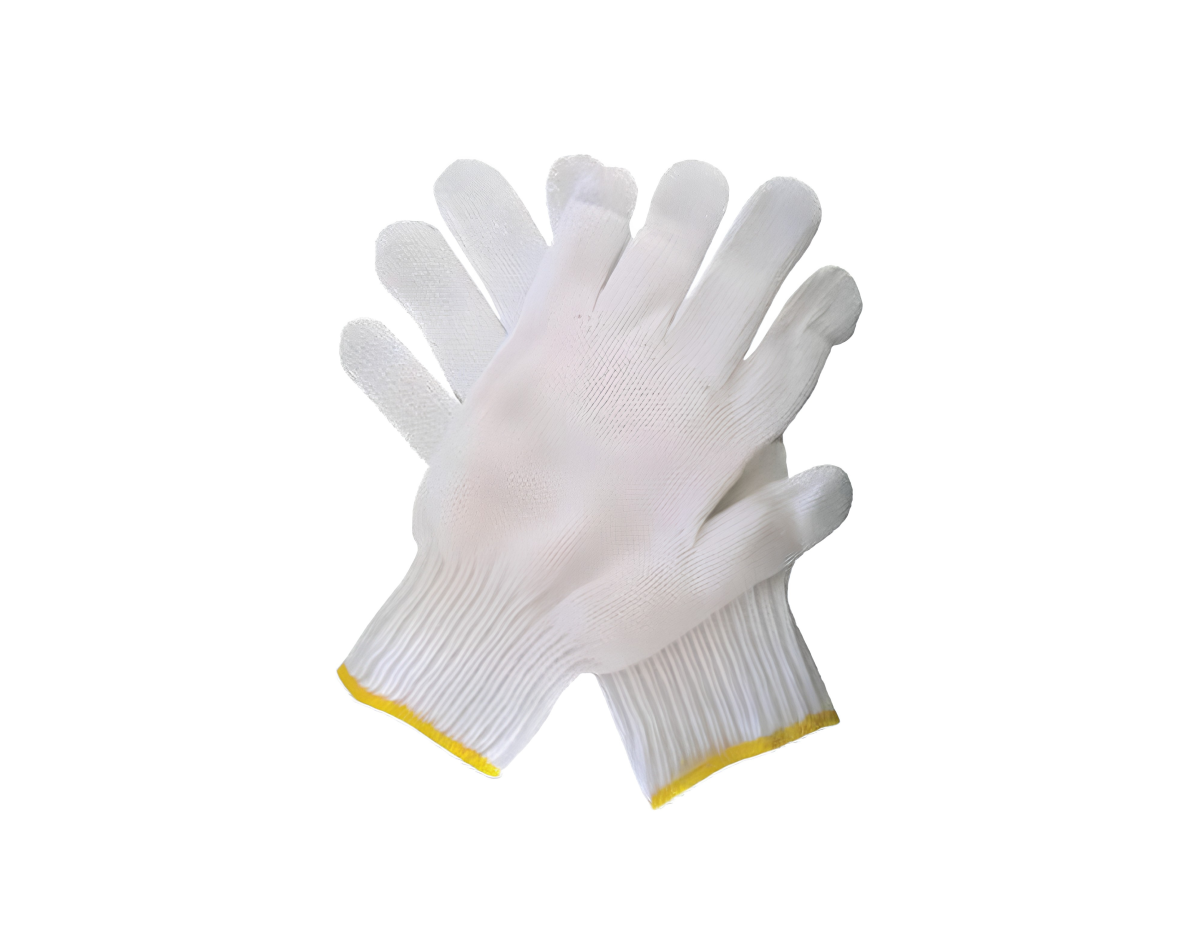


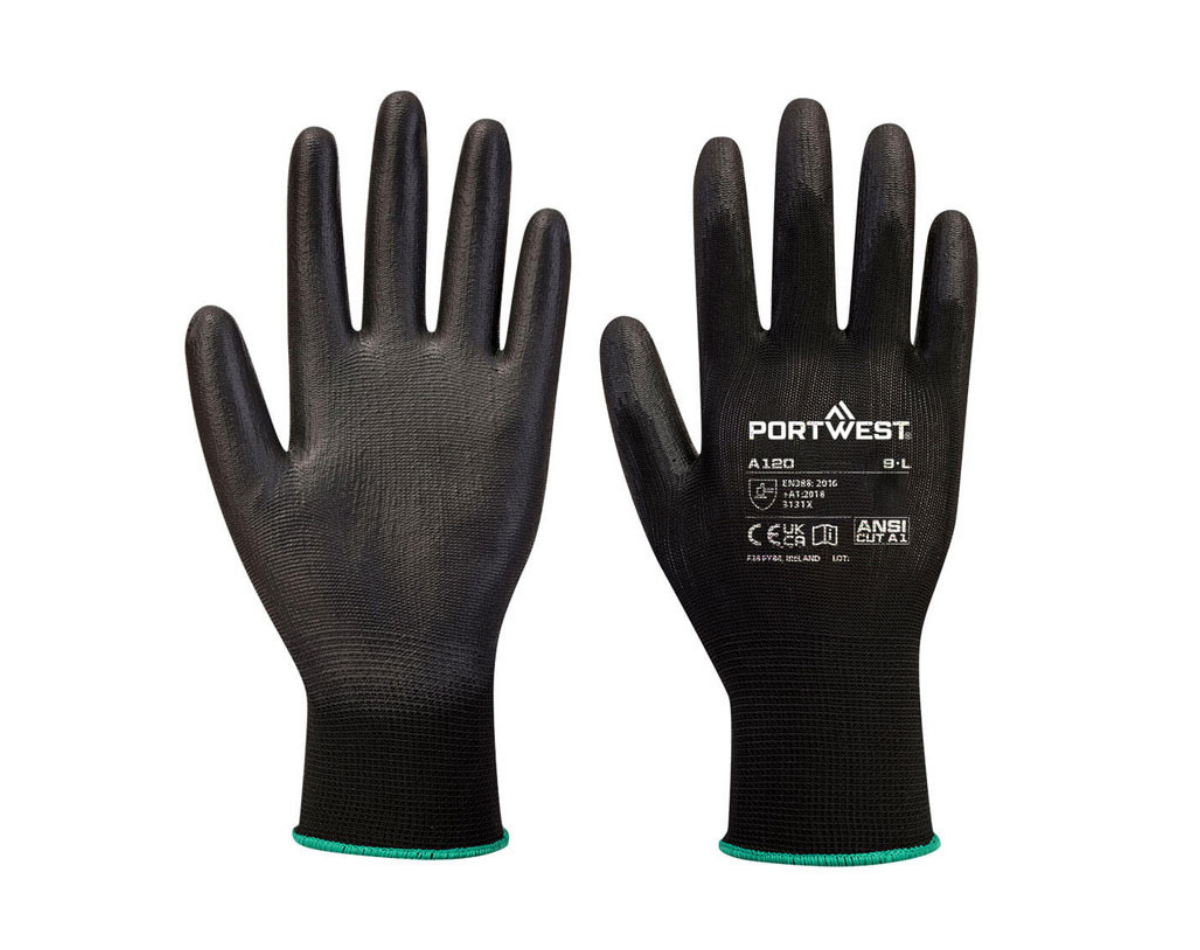


Hand Protection
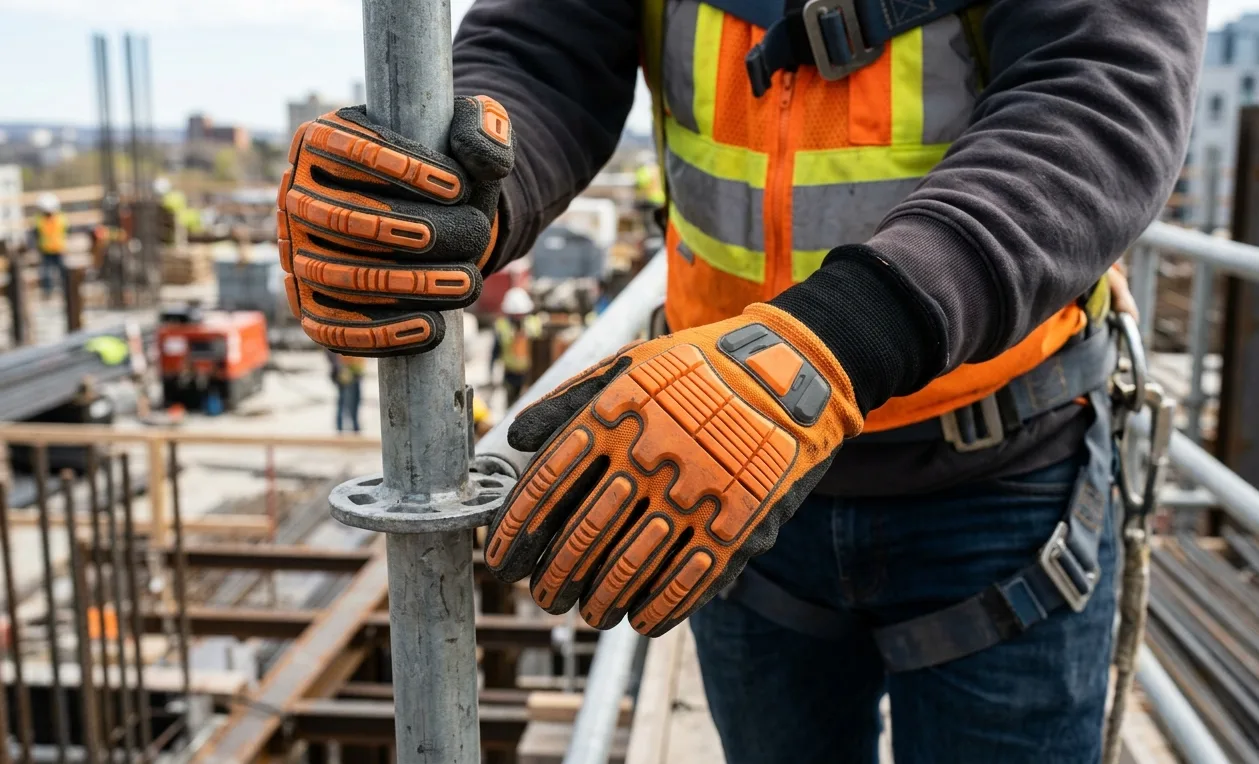
Safety gloves are protective garments designed to shield the hands, fingers, and wrists from a wide array of workplace hazards. They are a critical piece of PPE, preventing injuries such as cuts, abrasions, punctures, burns, chemical exposure, extreme temperatures, vibrations, and more.
The specific type and material of safety gloves vary widely depending on the hazard they are intended to protect against:
- Cut-resistant gloves: made from high-performance materials like Kevlar, fiberglass, or stainless steel mesh, offering various levels of protection against sharp objects.
- Chemical resistant gloves: constructed from materials such as nitrile, neoprene, butyl rubber, or PVC, designed to protect against specific chemicals, solvents, and corrosive substances.
- Impact resistant gloves: feature reinforced padding pr thermoplastic rubber (TPR) on the back of the hand and fingers to protect against crushing and impact injuries.
- Heat\cold resistant gloves: provide thermal insulation for working in extreme temperatures, such as welding, handling hot materials, or working in cold storage.
- Puncture-resistant gloves: offer enhanced protection against punctures from nails, splinters, and other sharp items.
- Electrical insulating gloves: made from non-conductive rubber to protect against electrical shock, with specific voltage ratings.
- Anti-vibrating gloves: incorporate specialized padding to reduce the effects of vibration of the hands and arms.
- General purpose\leather gloves: offer basic protection against abrasions, friction, and minor cuts, often used for assembly, construction, and general handling tasks.